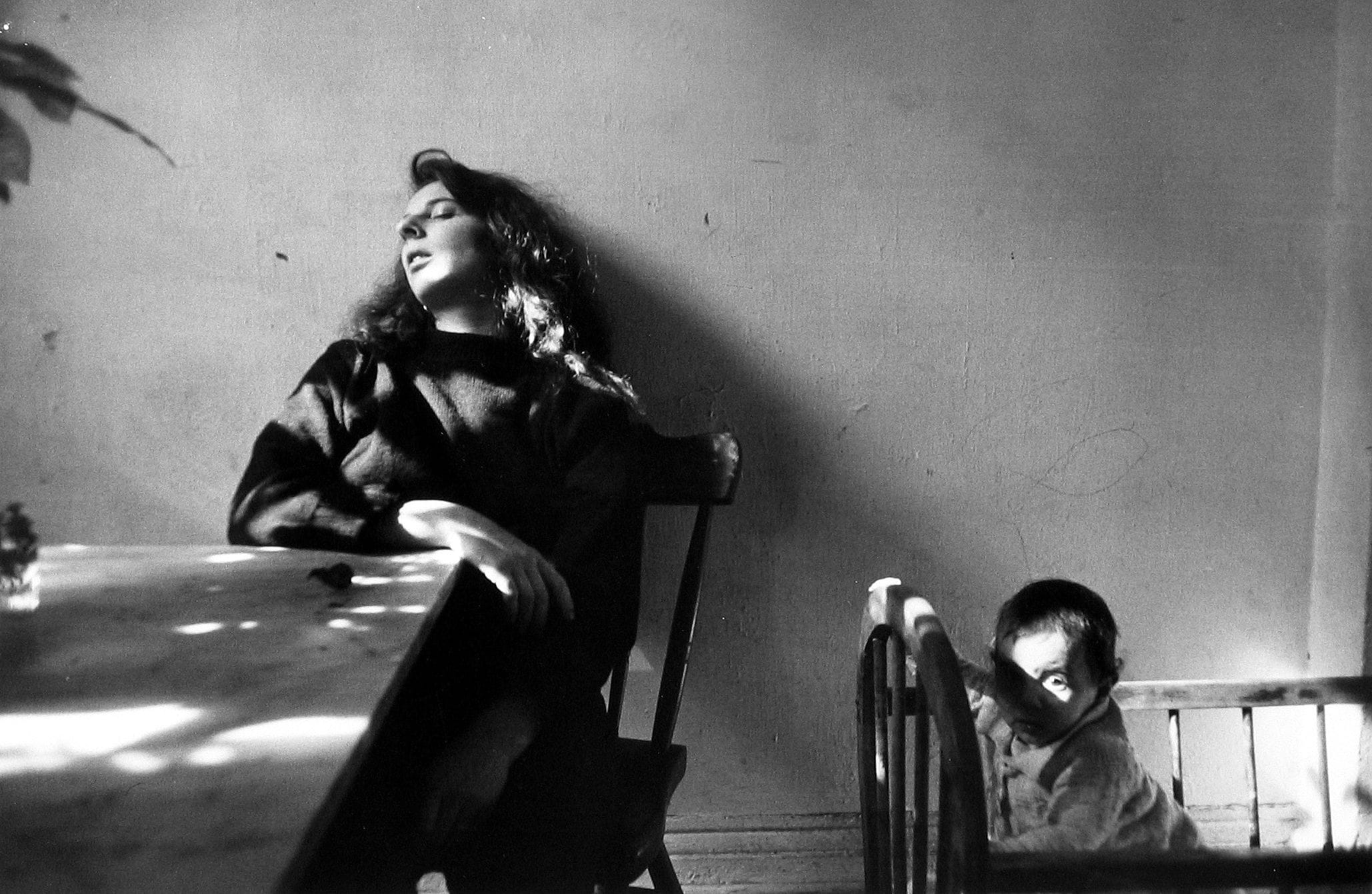
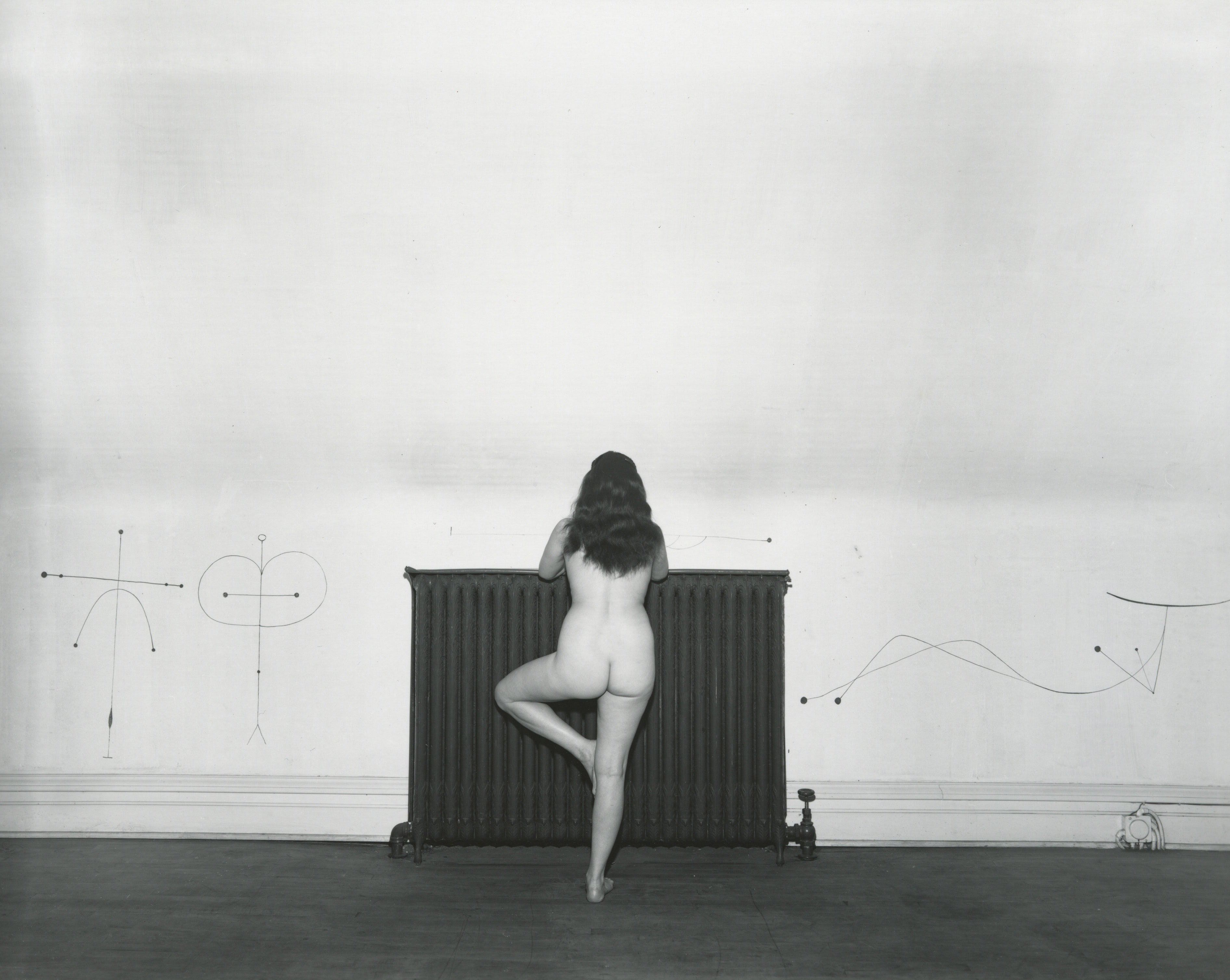
Harry CallahanEleanor, Chicago, 1949
Enquire
Signed
Silver gelatin print
8 x 10 inches
Printed in the 1970s
Signed
Printed in the 1970s
Silver gelatin print
8 x 10 inches
This exceptional piece is a signed, silver gelatin print, produced in the 1970s.
Framing
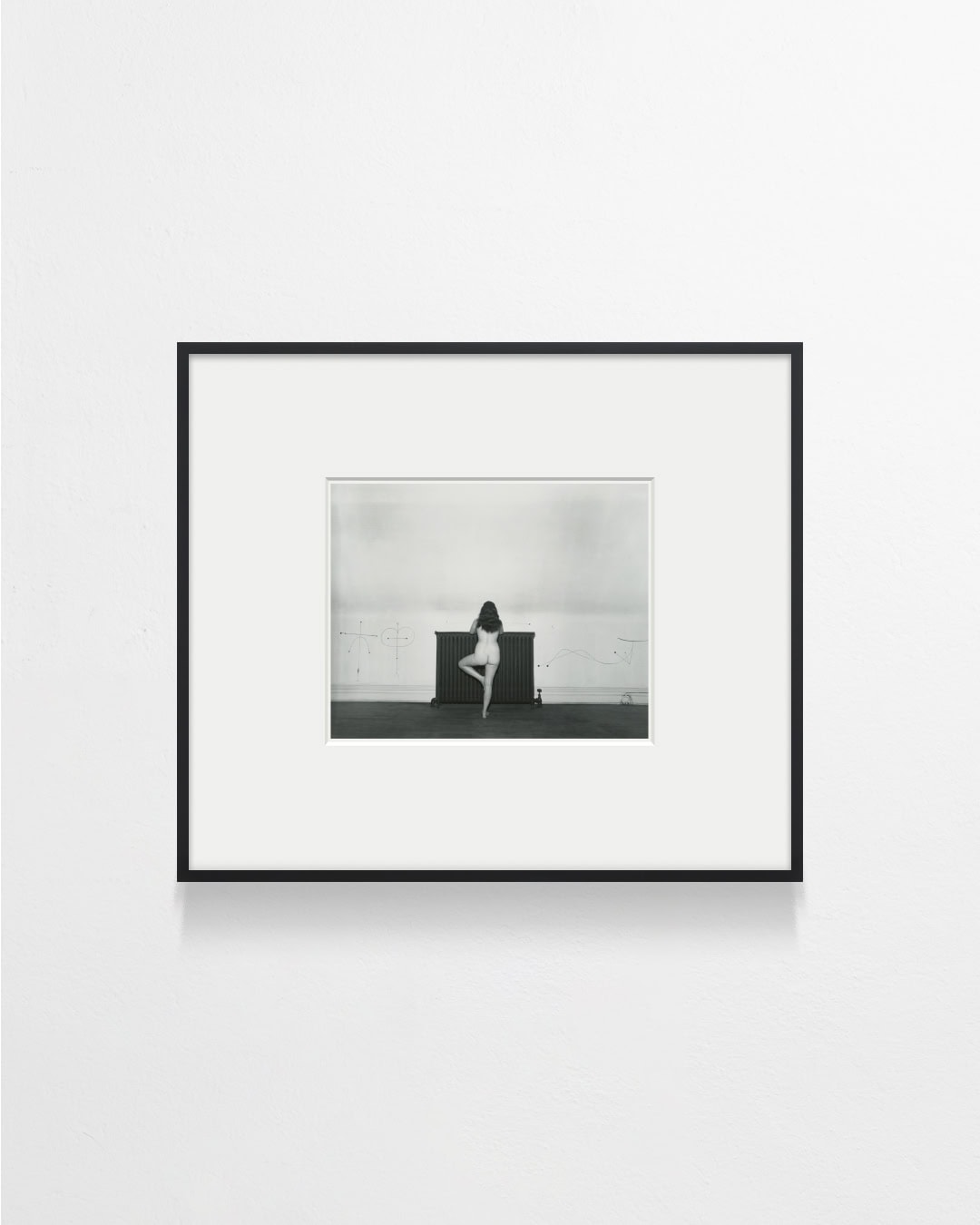
We recommend book-mounting this print in a wide passe-partout and then framing it in a black wooden box. This classic method not only gives visual priority to the image but also fits seamlessly into most interiors. However, if you prefer a different look, other framing options are also available. Additionally, to ensure the highest levels of production, all of our frames are handcrafted to museum standards by one of the UK’s leading workshops. Please note that prices include tax, but exclude framing and shipping costs.
Shipping
We aim to ship unframed works within 2 weeks and framed works within 6 weeks. All orders are shipped from the UK and we always strive to deliver your print as quickly as possible. However, the delivery times may vary, depending on the specific artwork and your location. For exact details, please get in touch. Please note that prices include tax, but exclude framing and shipping costs.
Artwork In Detail
Callahan’s wife, Eleanor Knapp, was one of his most frequent subjects and a constant source of creative inspiration. Callahan sought, in his work, to combine his own lived experience of daily life with a formal analysis of line and light. Between the years of 1947 and 1957, he restlessly photographed both his wife and their daughter, Barbara, to produce photographs that were both personal and visually poetic. When photographing Eleanor and Barbara, he would meticulously arrange their figures to accentuate the particular lighting effects that he was interested in capturing.
Harry Callahan
Eleanor, Chicago, 1949
EnquireHarry Callahan
United States
B. 1912–1999
EnquireA professor at the New Bauhaus, later the Chicago Institute of Design, Callahan’s photographs from the 1940s share the principles of Bauhaus design and experimentation, showing a strong sense of light, line and form. With the formal precision of the European Modernism that he had learnt from Lázlo Maholy-Nagy, Callahan aimed to express his feelings about life through his photography. Much of his work from this period explores total abstraction and the technicalities of the photographic medium. Callahan often used double and triple exposures, blurs, extreme contrasts and collage. He stayed at the school until 1961 when he moved to Rhode Island to establish a photography programme at the Rhode Island School of Design, remaining there until his retirement in 1977.
Harry Callahan was born in Detroit, Michigan. He studied Chemical Engineering and Business at Michigan State University but left before completing his course, accepting a job at the Chrysler Motor Parts Corporation in 1936. Here he took up photography, becoming a member of Chrysler’s Camera Club in 1938 and two years later joining Detroit’s Photo Guild. Since his first one man show in 1947, Callahan’s work has been the subject of over sixty solo and group exhibitions around the world. In 1955 Edward Steichen included his work in the Museum of Modern Art’s famous touring exhibition, The Family of Man. He was also the first photographer chosen to represent the United States at the Venice Biennale in 1978. Callahan was the recipient of numerous awards throughout his career, including a Guggenheim Fellowship in 1972 and the National Medal of Arts in 1996. He died in Atlanta in 1999. Callahan’s archive is now held by The Center for Creative Photography at the University of Arizona.